
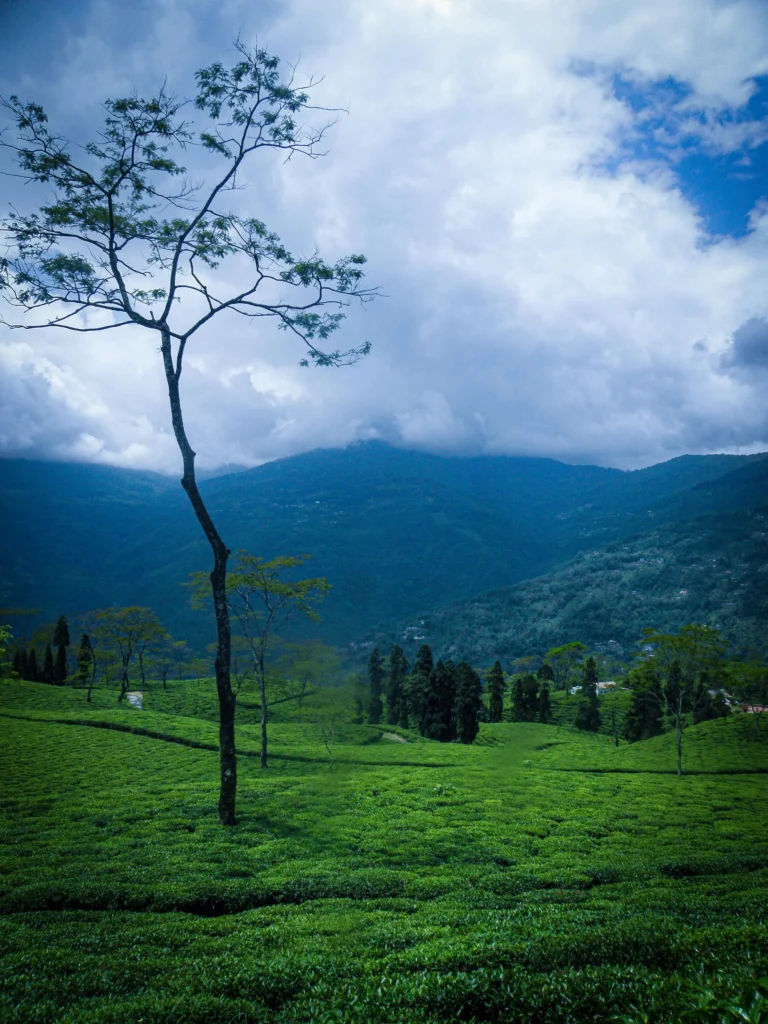
Darjeeling 3 Day Itinerary: Complete Guide for First‑Timers (With Local Tips & Budget Ideas)
Darjeeling, also known as the “Queen of Hills”, packs sunrise views over Kanchenjunga, toy trains, tea gardens, monasteries, and lakes into a compact little town, making it perfect for an escape. This Darjeeling 3 Day Itinerary is designed for first‑time visitors who want an easy, no‑stress plan that covers the classics like Tiger Hill and the zoo, but also quieter escapes like Lamahatta and Mirik.
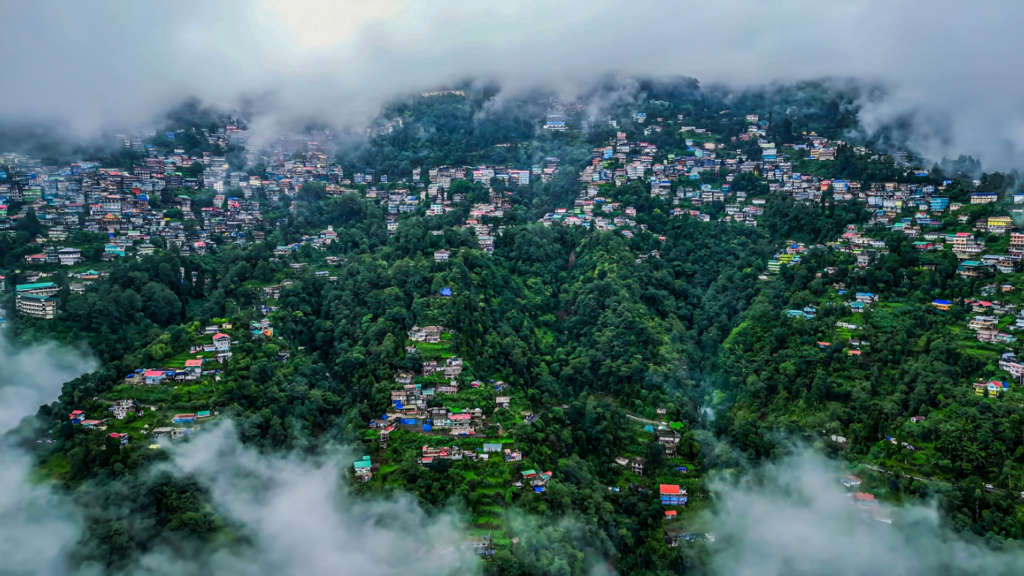
Darjeeling 3 Day Itinerary Quick Snapshot
Ideal duration: 3 days / 2 nights
Best for: Couples, friends, families, solo travellers (first trip to Darjeeling)
Trip vibe: Sunrise, heritage toy train, monasteries, tea gardens, zoo, offbeat nature parks, and a lake town
Approx budget per person (ex‑NJP/Bagdogra):
Budget/backpacker: ₹6,000–₹9,000
Mid‑range: ₹9,000–₹15,000
Comfortable couple trip: ₹18,000–₹28,000 (for 2)
Best time to visit:
Spring (Mar–May): Pleasant, rhododendrons in bloom, good mountain views
Autumn (Sep–Nov): Crisp air, clear Kanchenjunga views, ideal for sightseeing
Winter (Dec–Feb): Cold and misty but atmospheric; snow possible at higher nearby points.
You May Also Like: 55 Hidden Offbeat Places Near Darjeeling
Darjeeling 3 Day Itinerary Details
Day 1 – Classic Darjeeling: Tiger Hill sunrise, toy train, monasteries and Mall Road
Your first day focuses on the “postcard Darjeeling” everyone dreams of: Tiger Hill, Batasia Loop, toy train, Ghoom monastery and an unhurried evening at Chowrasta.
Very early morning: Sunrise at Tiger Hill

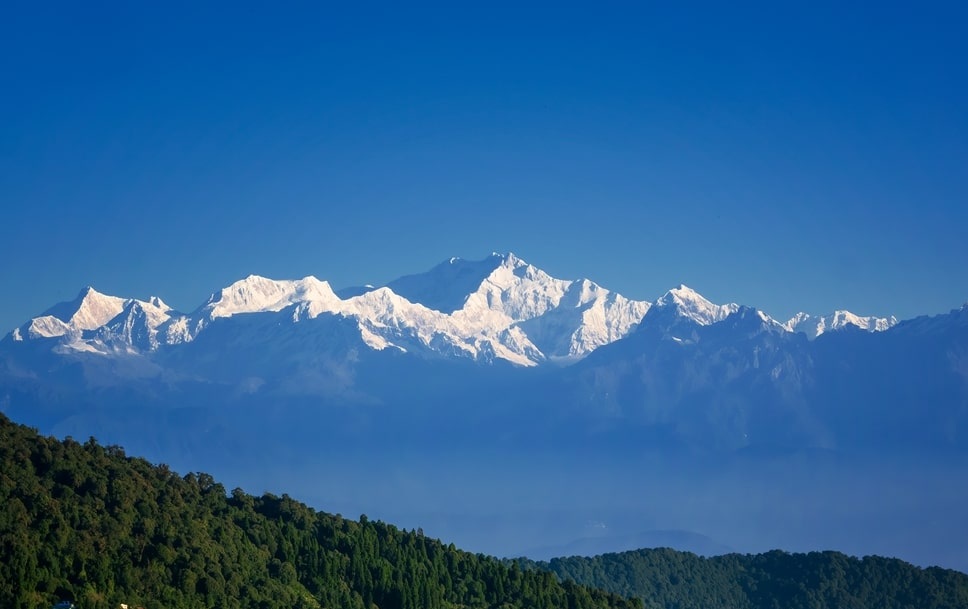
Start before dawn (around 3:30–4:00 AM) to reach Tiger Hill, the famous viewpoint for sunrise over the Kanchenjunga range. On clear days, you’ll see the peaks slowly turning orange and pink; on very clear days, there’s even a chance of spotting distant Everest.
It can get crowded and quite cold, so carry warm layers, a cap, and gloves, especially in winter and early spring.
Roamingstork tip: Even if clouds block the actual sunrise, focus on capturing silhouettes, crowd energy, and changing light—visually, it still works great in a vlog or Reel.
On the way back: Batasia Loop and War Memorial
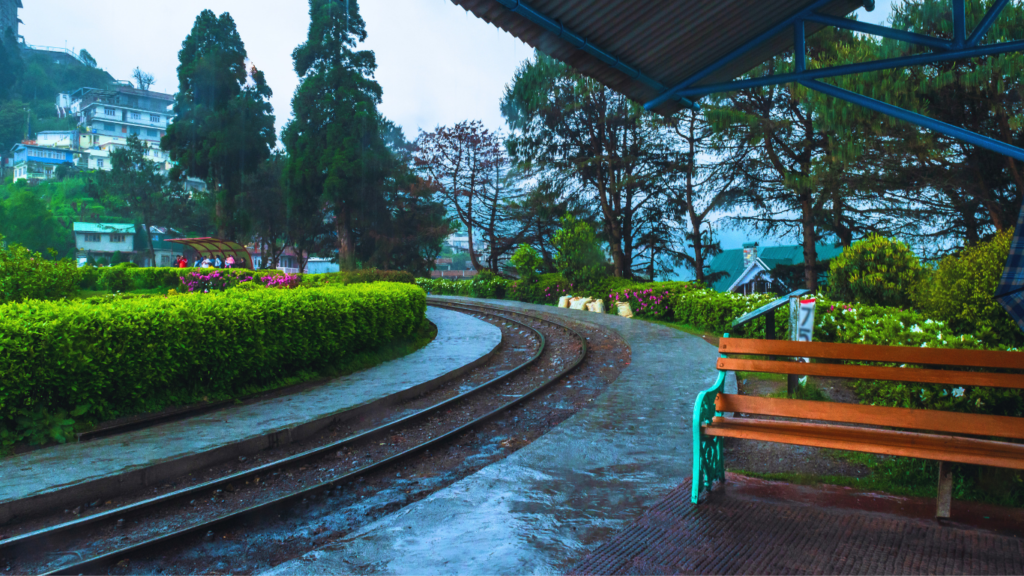
While returning from Tiger Hill, stop at Batasia Loop, a circular railway loop on the Darjeeling Himalayan Railway, offering panoramic views and a charming garden.
Here you’ll also find the Gorkha War Memorial, a tribute to Gorkha soldiers, and multiple photo spots with Kanchenjunga in the background on clear days.
Late morning: Darjeeling Ropeway and breakfast
Head towards the Darjeeling Ropeway (Cable Car), which glides over tea gardens and valleys between Singamari and Singla, offering aerial views of the hills.
It operates generally during the day (weather‑permitting), and queues can get long in peak season, so reaching before late morning helps.
Combine this with a relaxed breakfast at a local café, think pancakes, toast, eggs, or momos with your first authentic cup of Darjeeling tea.
Planning to Stay in Darjeeling: Here is the list of all the hotels
Midday to afternoon: Ghoom Monastery and the Himalayan toy train
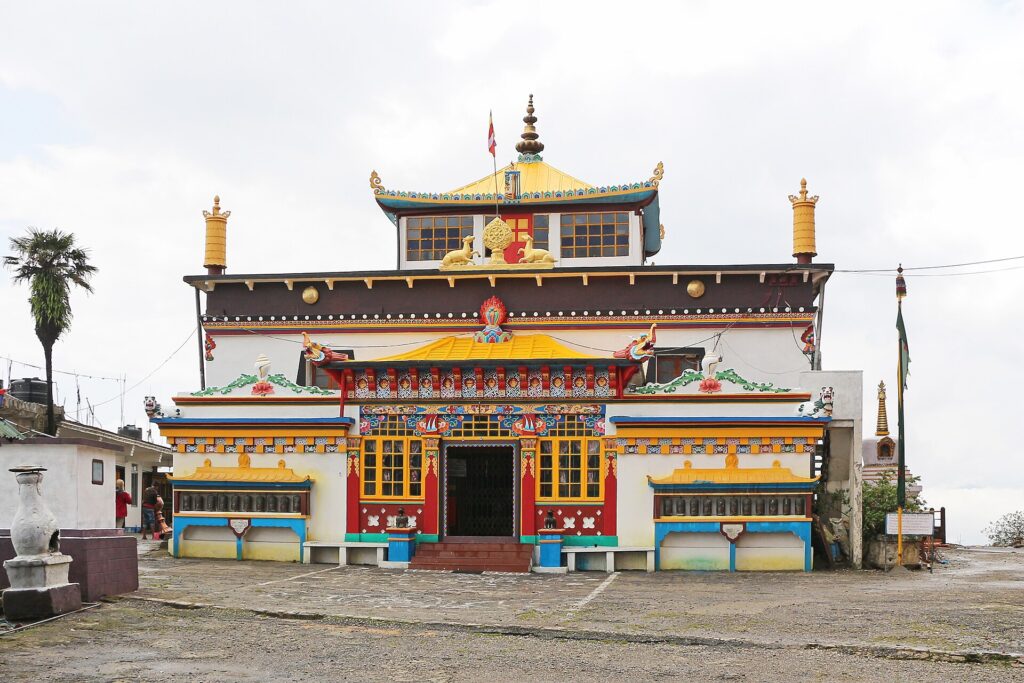
Visit Ghoom (Ghum) Monastery, one of the region’s oldest Tibetan Buddhist monasteries, known for its large Maitreya Buddha statue, colourful prayer flags, and serene ambience.
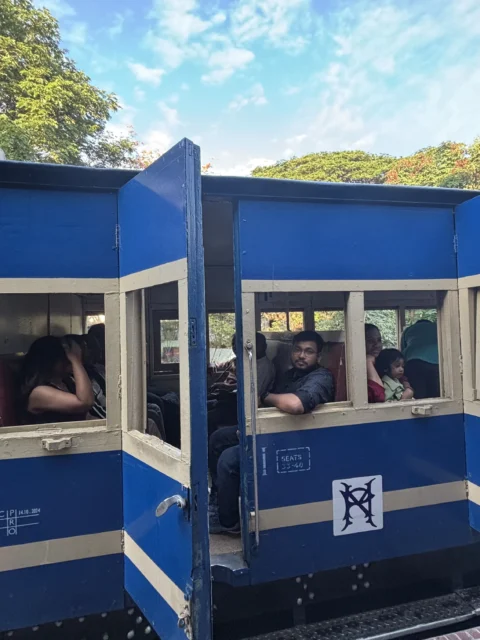
From here, experience the famous Darjeeling Himalayan Railway toy train, a UNESCO World Heritage Site; many travellers take the joyride between Darjeeling and Ghoom to enjoy the curves and views.
Tickets can be booked via IRCTC in advance, and there are several departures throughout the day in season.
Roamingstork tip: Sit by the window or door for better shots, and use the slow speed of the train to get handheld tracking shots of tea gardens and hillside homes.
Evening: Mall Road and Chowrasta Square
As the light softens, head back to Mall Road and Chowrasta (Chowrasta Square), the relaxed pedestrian heart of Darjeeling.
Browse tea shops, bookstores and woollen stalls, watch local kids and tourists, or sit on a bench facing the mountains with a cup of hot tea.
You can end with a simple dinner at a nearby restaurant, North Indian, Tibetan or continental options are easy to find around Chowrasta.
Day 2 – Culture, tea and history: Peace Pagoda, zoo, HMI, tea estate and Tibetan crafts
Day 2 dives deeper into Darjeeling’s culture, Buddhist temples, conservation, mountaineering history, tea heritage and Tibetan refugee crafts.
Morning: Japanese Temple and Peace Pagoda
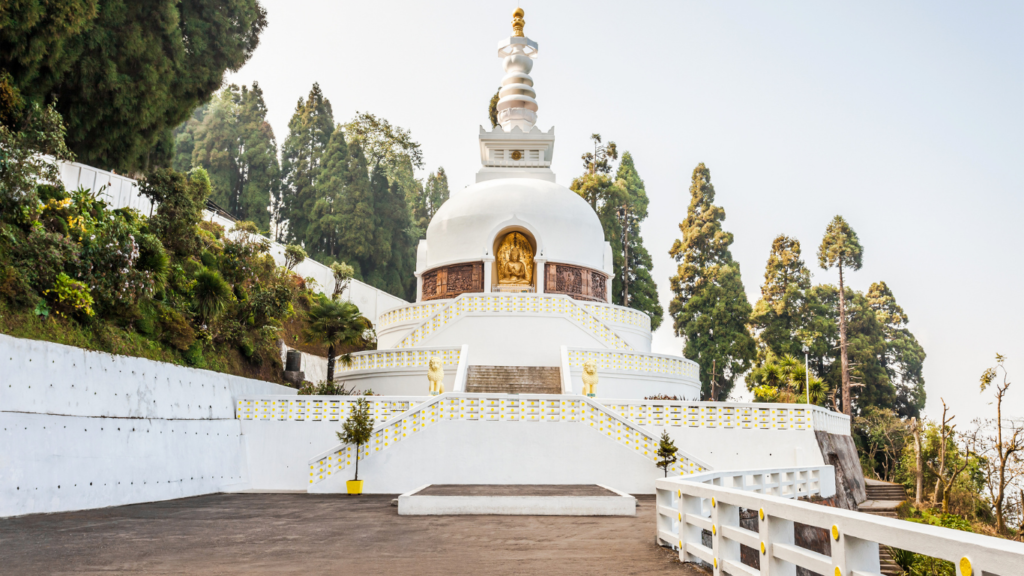
Start at the Japanese Temple and Peace Pagoda on Jalapahar Hill, built under the guidance of Buddhist monk Nichidatsu Fujii as a symbol of peace.
The white pagoda stands out against the green hills, and from the top, you get wide, calming views of Darjeeling and the surrounding ridges.
If you go early morning, the atmosphere is quieter and cooler, ideal for meditation, photography, and slow establishing shots.
Late morning: Padmaja Naidu Himalayan Zoo and Himalayan Mountaineering Institute (HMI)
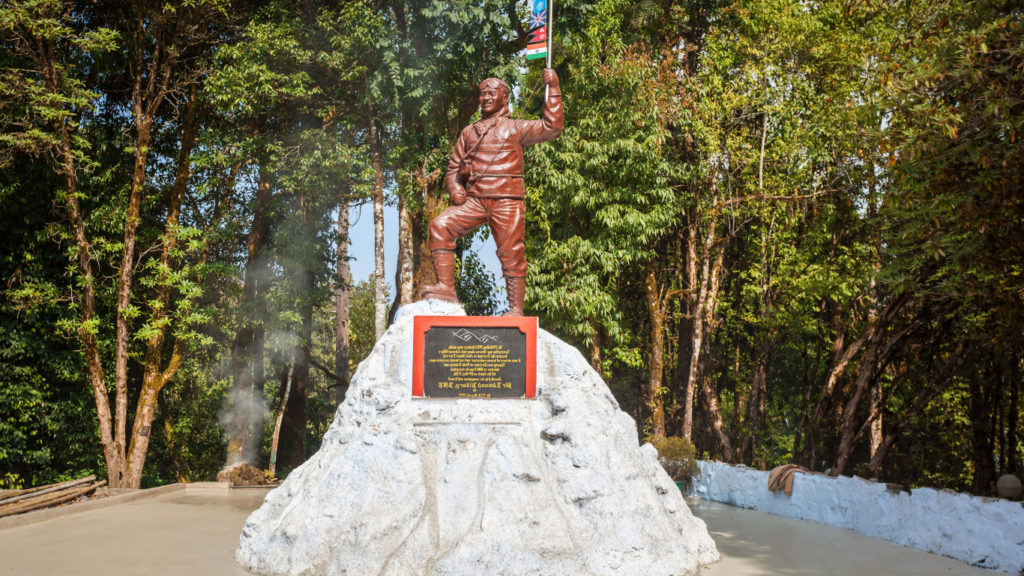
Walk or drive to the Padmaja Naidu Himalayan Zoological Park, one of India’s highest‑altitude zoos, known for breeding and conserving Himalayan species.
Expect to see animals like red pandas, snow leopards, Himalayan wolves and various high‑altitude birds if you’re lucky and patient.
Within the same complex is the Himalayan Mountaineering Institute (HMI), established in 1954 and associated with Tenzing Norgay; its museum showcases Everest expedition gear, photos and stories.
Roamingstork tip: For content, HMI is gold. Pan slowly over old gear, boots, ropes and summit photos while narrating in voice‑over about human ambition and the Himalaya.
Afternoon: Happy Valley Tea Estate and tea‑tasting
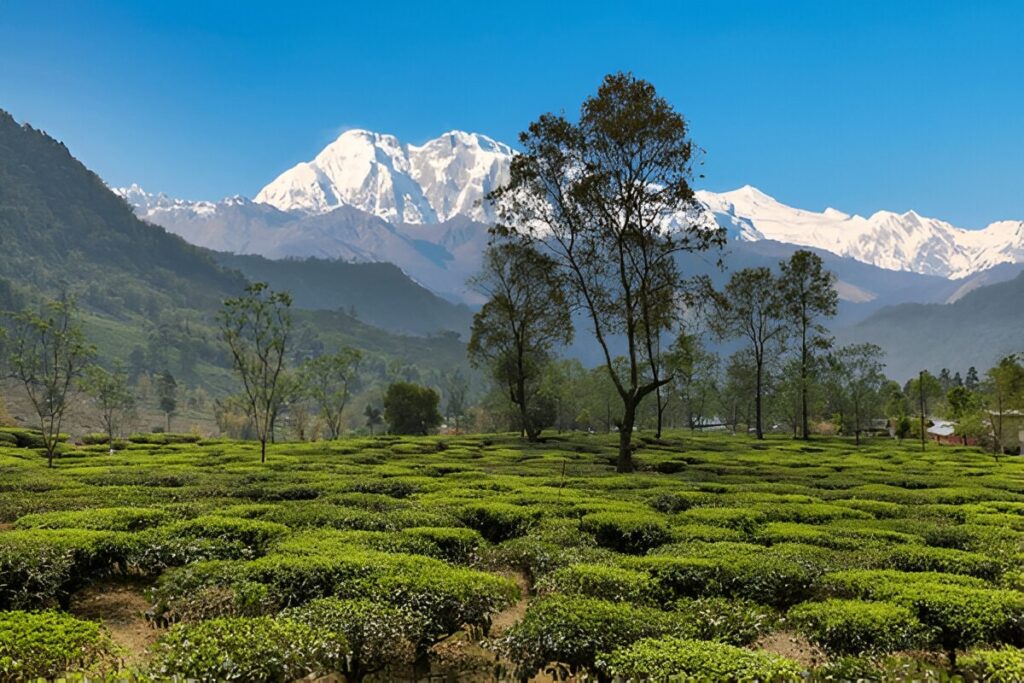
In the afternoon, visit Happy Valley Tea Estate, one of Darjeeling’s historic tea gardens. Many tours walk you through the process, from plucking to processing, and end with a tasting of different grades of Darjeeling tea.
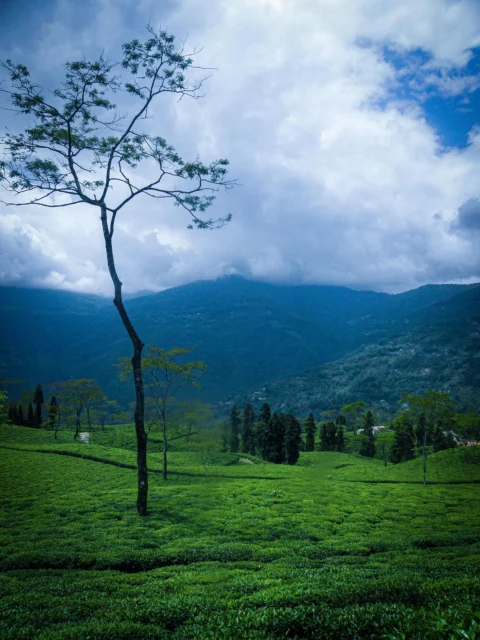
The slopes of the estate give beautiful layered green views, especially in the non‑winter months.
Late afternoon: Tibetan Refugee Self‑Help Centre
Head to the Tibetan Refugee Self‑Help Centre, established in 1959, where Tibetan refugees produce woollen carpets, woodcarvings, leatherwork and traditional crafts.
You can watch artisans at work and pick up handicrafts directly from the source, which helps support the community.
Planning to Stay in Darjeeling: Here is the list of all the hotels
Evening: Street food and Mahakal Temple (optional)
As evening sets in, explore the lanes around Chowk Bazaar for local street food, experience momos, thukpa, aloo dum, sel roti and other hillside snacks.
If you still have some energy, walk up to Mahakal Temple on Observatory Hill, a unique blend of Hindu and Buddhist elements with bells, flags and views.
Roamingstork tip: Observatory Hill can also give you moody fog shots if the weather turns—use that to your advantage instead of seeing it as “bad weather”.
Day 3 – Offbeat and nature day: Lamahatta Eco Park and Mirik
Instead of repeating the same town spots, Day 3 takes you towards quieter nature escapes, Lamahatta and Mirik, both of which show a softer, more relaxed side of the hills.
Morning: Lamahatta Eco Park
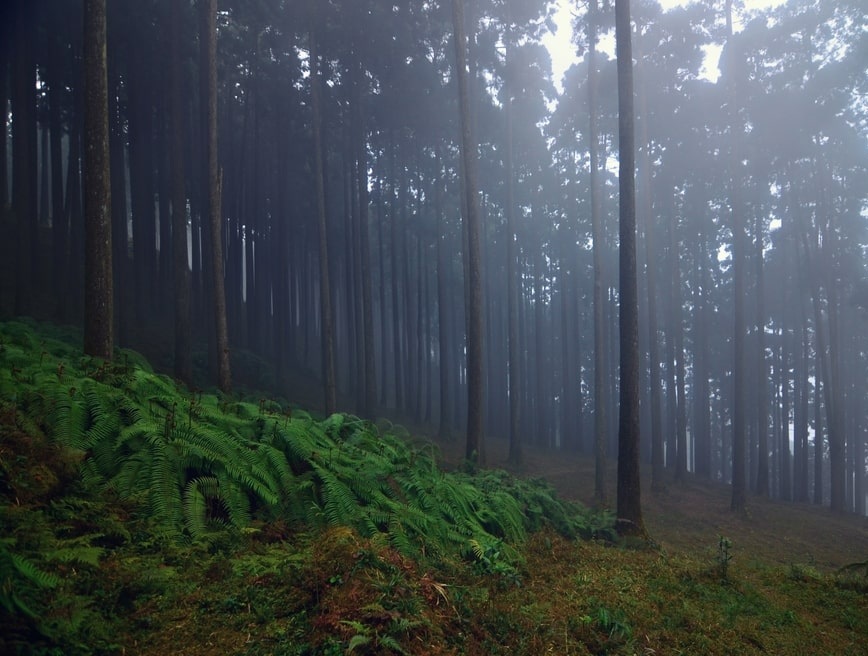
Drive about 20–25 km from Darjeeling to Lamahatta Eco Park, a hilltop garden and eco‑tourism spot lined with pine trees and prayer flags. The park has walking trails, viewpoints and small ponds, with sweeping views of tea gardens and distant peaks on clear days.
Entry is ticketed but inexpensive, and the vibe is calmer than most Darjeeling town viewpoints.
Roamingstork tip: Lamahatta’s colourful prayer flags and pine‑framed paths are visual heaven. Plan some slow walks and tripod shots here for your B‑roll. Hike slowly towards the lake at the top. Don’t miss the lake.
Midday to afternoon: Mirik lake, monastery and orange orchards
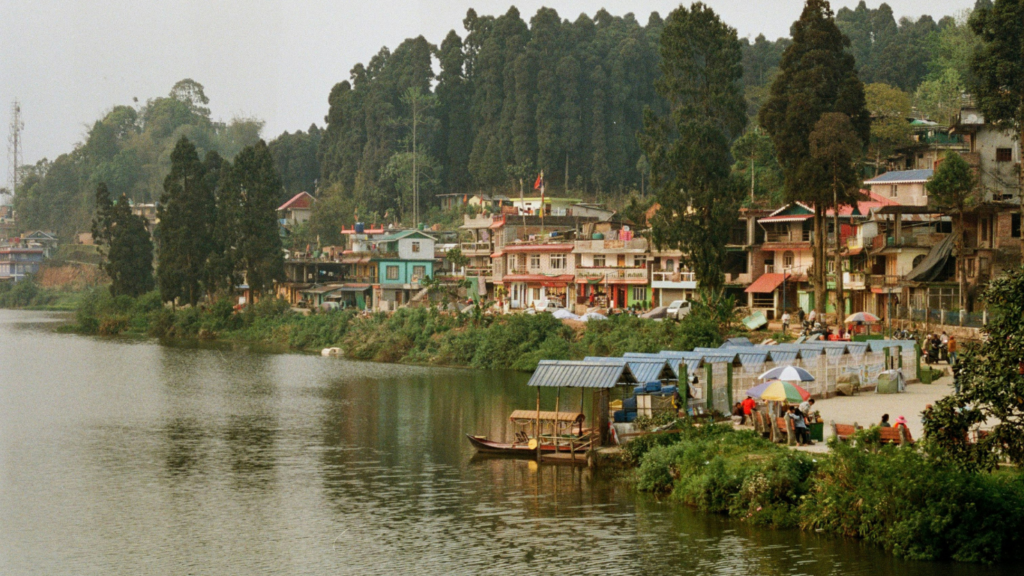
- Continue by road to Mirik, a small hill town known for Sumendu Lake, orange orchards, monasteries and tea gardens.
- Walk along the pine‑lined promenade around Sumendu Lake, or rent a paddle/row boat to enjoy the calm water and hills reflected around you.
- Visit Bokar Monastery near Mirik for a quiet spiritual break amidst classic Tibetan architecture and chanting (timings vary, so check locally).
- In season, nearby orange orchards and tea estates add extra colour and photo opportunities.
Evening: Back to Darjeeling for last shopping and cafés
- Drive back to Darjeeling by late afternoon or early evening and spend your final hours on Mall Road and Chowk Bazaar.
- Shop for Darjeeling tea, woollens, handicrafts, Tibetan artefacts and small souvenirs for friends and family.
- End your trip with a slow coffee or tea at a hill‑view café, or an early dinner at a favourite spot near your stay or taxi point.
3‑day Darjeeling plan at a glance
| Day | Main areas | Highlights |
|---|---|---|
| Day 1 | Tiger Hill, Ghoom, town | Lamahatta Eco Park, Sumendu Lake, Bokar Monastery, orange orchards, tea gardens, and final shopping in Darjeeling |
| Day 2 | Jalapahar, zoo belt, tea & crafts | Japanese Temple & Peace Pagoda, Himalayan Zoo, HMI, Happy Valley Tea Estate, Tibetan Refugee Centre, Chowk Bazaar food, Mahakal Temple |
| Day 3 | Lamahatta & Mirik | Lamahatta Eco Park, Sumendu Lake, Bokar Monastery, orange orchards, tea gardens, final shopping in Darjeeling |
Practical tips for this 3‑day Darjeeling itinerary
- Base logistics: Nearest railhead is NJP and airport is Bagdogra; from there, shared jeeps and private cabs connect to Darjeeling.
- Toy train bookings: Book the joyride via IRCTC in advance, especially in peak season; look for Darjeeling–Ghoom–Darjeeling tourist trains.
- Weather prep: Mornings and evenings can be cold even in shoulder months—always keep a light jacket, especially if you’re heading to Tiger Hill.
- Pacing: Don’t stack too many long drives in one day; Lamahatta and Mirik together already make Day 3 full but comfortable if you start on time.
- Respect and responsibility: Dress modestly at monasteries/temples, avoid loud behaviour, and don’t litter—Darjeeling’s charm depends on travellers keeping it clean.
FAQs about 3 days in Darjeeling
Is 3 days enough for Darjeeling?
Yes. 3 days lets you comfortably do Tiger Hill, Batasia Loop, toy train, key monasteries and temples, zoo + HMI, a tea estate, and one offbeat nature day (Lamahatta and Mirik) without rushing every hour.
What is the best month to follow this itinerary?
March to May and September to November are ideal, with pleasant temperatures and clearer mountain views, making early mornings at Tiger Hill, outdoor walks and tea‑estate visits more enjoyable.
Where should I stay in Darjeeling for this plan?
Staying within walking distance of Mall Road/Chowrasta keeps you close to cafes, shops and shared transport points, which is convenient for sunrise departures and evening strolls.
Can I swap Mirik with another day trip?
Yes. Some travellers replace Mirik with nearby destinations like Kurseong or additional tea‑estate time; this itinerary uses Mirik because most 3‑day regional tour plans highlight its lake and monastery combo.
Planning to Stay in Darjeeling: Here is the list of all the hotels