

Best Time to Visit Darjeeling: Season‑Wise Guide for Weather, Views and Tea Gardens
The best time to visit Darjeeling for most travellers is spring and early summer (March–May) and post‑monsoon autumn (October–November), when the weather is pleasant, skies are relatively clear, and Kanchenjunga views are at their best. But every season has a different flavour: misty monsoon, cold winter with possible snow nearby, and deep off‑season budget windows. So the “Best time to visit Darjeeling” really depends on what you want from your trip.
How Darjeeling’s weather works
Darjeeling has a cool, temperate mountain climate: summers are mild (average daytime highs around 22–26°C in April–June), nights are comfortably cool, and winters can drop close to freezing, especially at night. Rain is strongly seasonal, with most rain falling between June and September, with July and August getting the heaviest showers and the maximum number of rainy days.
Because of this, the tourism industry typically divides the year into:
- Peak season: March–May and roughly September/October–November
- Normal / shoulder: December–February
- Low / off‑season: June–September (monsoon, except for monsoon‑lovers)
You May Also Like: 55 Hidden Offbeat Places Near Darjeeling
Quick answer: “Best time to visit Darjeeling” by travel style
- For clear mountain views & sightseeing:
March to May and October to November give cool, comfortable days, relatively clear skies and the best chances of crisp Kanchenjunga views. - For flowers, greenery & photography (non‑monsoon):
March–April (spring) brings rhododendrons and other blooms; late September to October gives post‑rain freshness with blue skies. - For tea and moody mist:
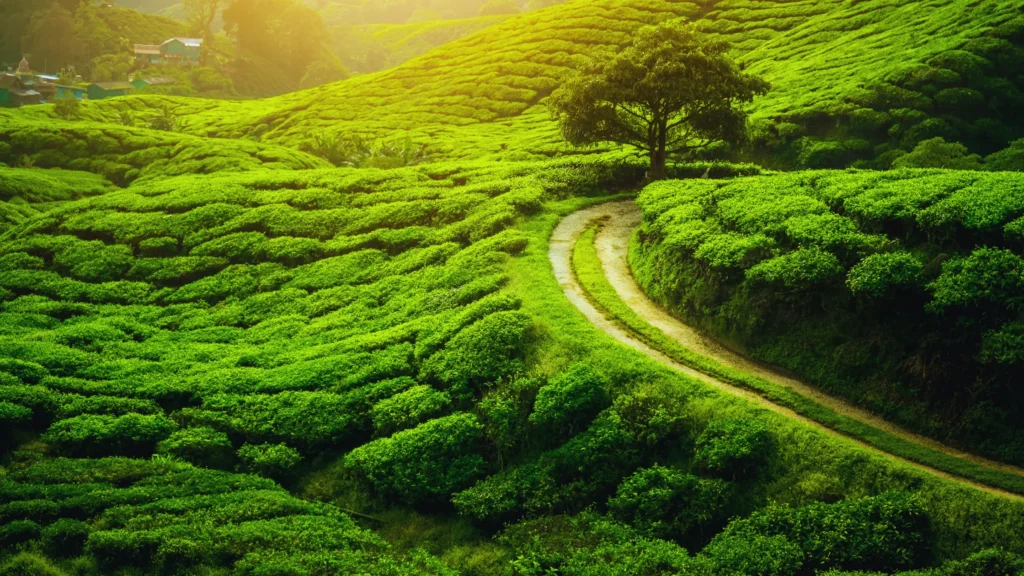
June to September (monsoon) turns the hills neon‑green and very atmospheric, perfect if you enjoy clouds, fog, and quiet tea‑estate time, though with real landslide risk and frequent rain. - For snowfall chances nearby and winter vibes:
Late December to February is the time to aim for snow in higher spots like Sandakphu and sometimes Tiger Hill; snowfall in Darjeeling town is rare but has occurred in some years. - For budget travellers:
Deep monsoon (July to September) and peak winter (January to February) see cheaper hotels, discounts on some activities, and thinner crowds, at the cost of weather uncertainty.
You May Also Like: Darjeeling 3 Day Itinerary
Spring (March to April): Flowers, clear views, comfortable days
Why go:
- Daytime temperatures are usually in the upper teens to low twenties, with cool but not freezing nights. This time is ideal for walking, taking in the views, and exploring the town.
- Rhododendrons, orchids and other flowers bloom in March to April across the region, adding colour to forests and gardens.
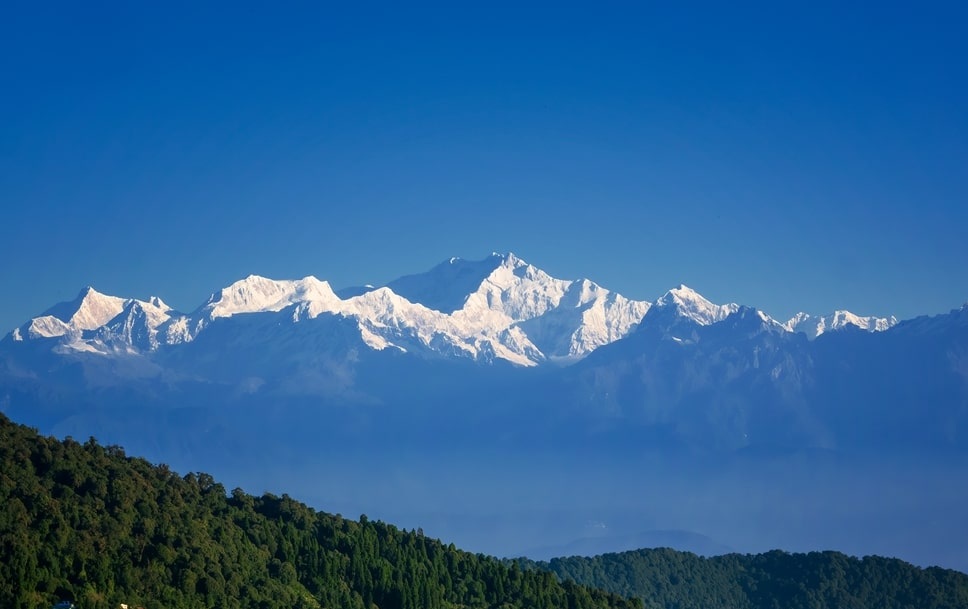
- Skies are often clear enough in early mornings for Kanchenjunga views from Tiger Hill, Batasia Loop and Chowrasta.
- Near‑perfect climate for first‑timers.
- Great lighting and visibility for photos and videos.
- Many “best time to visit Darjeeling” guides highlight April as an ideal month.
- Popular with domestic tourists and school/college trips, so expect rising hotel prices and more crowded viewpoints.
Planning to Stay in Darjeeling: Here is the list of all the hotels
Summer (May–June): Peak season, lively but crowded
Weather:
Average daytime highs climb to around 24-26°C in May-June, with nights around 15-18°C still much cooler than the plains. By late May/June, humidity and rainy days increase as the monsoon approaches.
Why go:
- This is classic “escape the heat” season: the plains are boiling, but Darjeeling stays cool and pleasant.
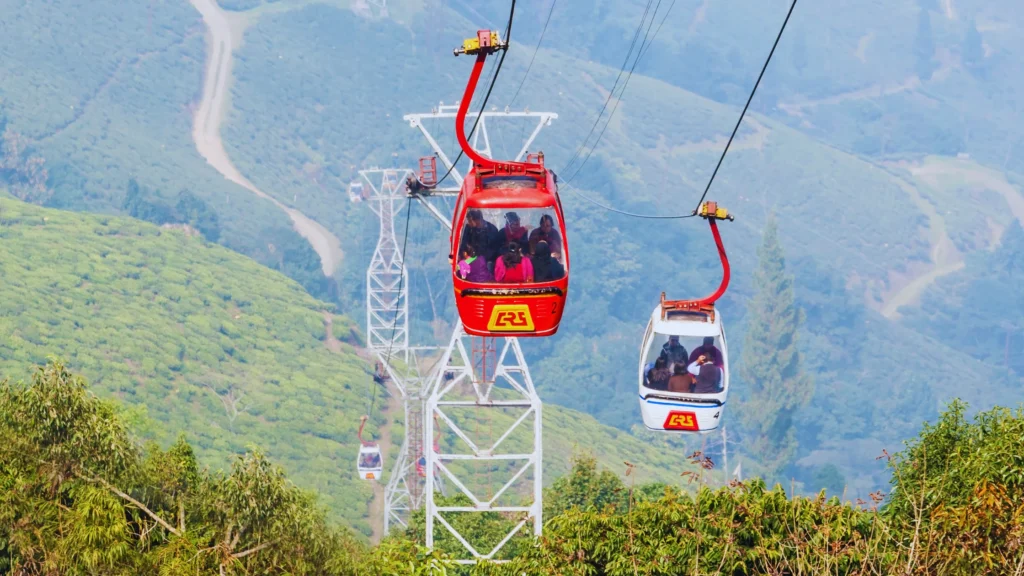
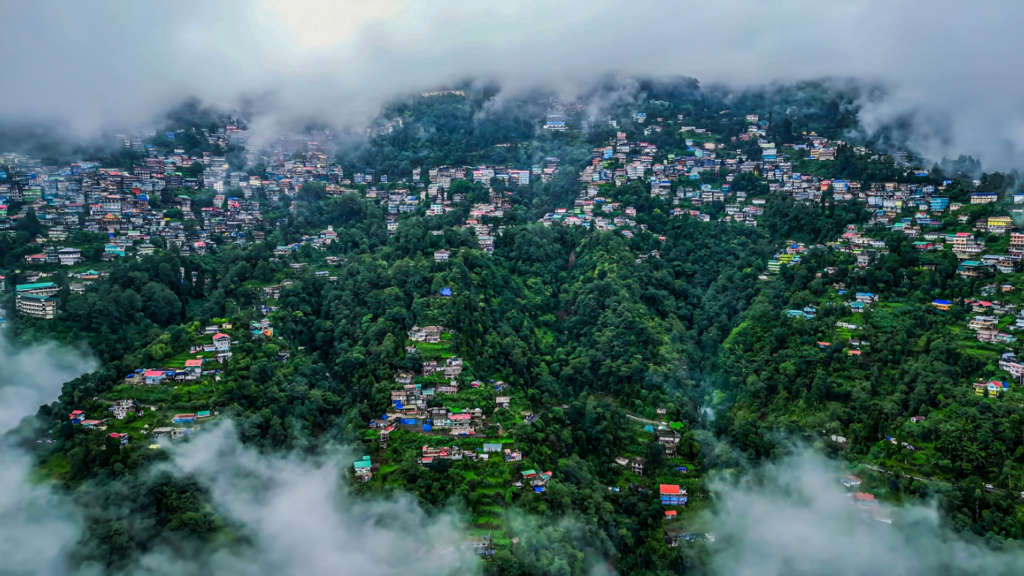
- Most tourist attractions (Tiger Hill, zoo, HMI, ropeway, tea estates, Mirik, Lamahatta) operate in full swing, and toy train services are usually regular.
- Reliable sightseeing conditions on most days.
- Peak festival and holiday travel, so there’s a buzz in town, long café hours, and plenty of shared transport options.
- One of the costliest times for hotels and homestays due to heavy crowds; many sources list April–June as “peak season” with higher tariffs.
- Mist and pre‑monsoon showers can occasionally hide mountain views, especially later in June.
Monsoon (July-September): Misty, ultra‑green and high-risk.
Weather:
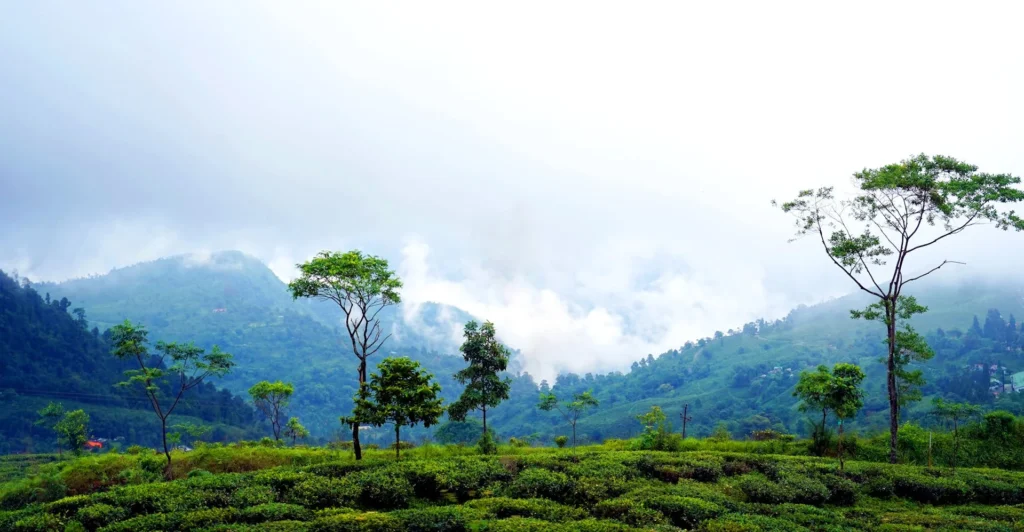
Monsoon usually runs from June or July through September, with July-August seeing the heaviest and most frequent rain.
Average rainfall jumps to 500-800 mm per month in June-August, with 25-30 rainy days.
Why some travellers love it:
Tea gardens, hillsides and forests turn deep green; the whole landscape looks freshly washed. The town is quieter, with far fewer tourists, cheaper stays, and a more local daily‑life vibe.
It’s a great time if your priorities are reading in cafes, tea tasting, slow walks when the rain pauses, and moody, foggy visuals.
Serious downsides:
Multiple travel advisories caution about landslides, roadblocks and visibility issues, especially on the hill roads from NJP/Bagdogra and around the region.
Continuous rain can shut down outdoor plans for days, and you may not see the mountains at all during a short trip.
Who should consider monsoon:
Repeat visitors who have already seen the classic sights. Budget travellers who can keep extra buffer days and are okay with plans changing. Photographers and creators who specifically want clouds, rain, waterfalls and low‑light drama instead of blue skies.
Autumn (October-November): Post-monsoon clarity and perhaps the best overall window
Weather:
After the monsoon withdraws, October and November bring clearer skies, crisp air and moderate temperatures.
Typical daytime highs are around 18-22°C, nights around 10-12°C; rainfall drops sharply compared with the monsoon.
Why do many call this the “best time to visit Darjeeling”:
- Multiple travel and weather guides single out October-November as perhaps the best combination of clear views, comfortable temperatures and low rain.
- With the monsoon haze gone, Kanchenjunga is often sharply visible at sunrise; photography conditions are excellent.
- Festive atmosphere: Durga Puja, Diwali, and other regional events add colour and culture around this time.
- Superb for first‑timers wanting classic views plus some local festivals.
- Great for trekking in the region and for pairing Darjeeling with Sikkim.
- Can still be busy and relatively pricey, especially during festival weeks and school holidays.
Winter (December-February): Cold, quiet and your best shot at snow nearby
Weather:
Winter daytime highs often sit around 10-12°C, while nights can drop close to or slightly below freezing, especially in January.
Skies can be beautifully clear, particularly in December and early January, giving sharp mountain views on many mornings.
Snow reality check:
Guides agree that Darjeeling town itself only occasionally gets snowfall, with heavier falls being rare events separated by years.
Higher spots in the district, like Sandakphu and sometimes Tiger Hill, are more likely to see snow between late December and February in good years.
- Fewer tourists than in peak summer, with quieter viewpoints and streets, except around Christmas–New Year.
- Good time for budget to mid‑range travellers—many homestays and hotels drop rates compared to peak months.
- Very romantic atmosphere for couples: clear stars, crisp air, cosy cafés and possible snow trips to higher viewpoints.
- You’ll need serious winter clothing, especially if you’re out before sunrise or heading to higher viewpoints.
- Some older accommodations may have limited heating; always check heating options before booking.
Planning to Stay in Darjeeling: Here is the list of all the hotels
Month‑by‑month feel (short guide)
Based on climate averages and travel guides:
- January-February: Coldest; clear views on many days; good for off‑season budgets and nearby snow, but expect freezing nights.
- March: Start of peak season; flowers, comfortable temperatures, rising visitor numbers.
- April: One of the best all‑round months, pleasant, scenic, great for first‑timers.
- May: Still very good, but more crowded and slightly more humid; perfect to escape the heat from the plains.
- June: Transitional; can be beautiful but with increasing rain and cloud; consider if you’re okay with some weather uncertainty.
- July-August: Core monsoon; lush, misty, often very rainy with landslide risk, rewarding only if you specifically want monsoon vibes.
- September: Late monsoon / early autumn; rain starts decreasing, greenery remains intense and can be great if your dates are flexible.
- October: Post‑monsoon star month; clear skies, moderate temperatures, excellent for photography and trekking.
- November: Still very good; getting cooler, often clear, with shrinking crowds after the main festival rush.
- December: Cold, fairly dry, with good visibility and fewer tourists except holiday week; a good mix for many travellers.
Best time for specific experiences
Best time for Kanchenjunga views
For the highest probability of clear mountain views at sunrise from Tiger Hill or viewpoints around town, aim for:
October-November and March-April, when rain is relatively low, and visibility is typically better.
Best time for tea gardens and light trekking
Tea gardens and short nature walks are enjoyable almost year‑round except during heavy monsoon spells.
March-June and September-November are ideal for combining tea, walks and sightseeing without constant rain.
Best time for snowfall (or at least a snowy feel)
For nearby snow (Sandakphu, higher ridges, sometimes Tiger Hill), target late December to February.
Treat snow in Darjeeling town as a bonus, not a guarantee, even recent “heavy snowfall” in town made headlines because it was so rare.
Best time for budget travellers
July-September (monsoon) and January-February (deep winter) tend to have the lowest hotel and homestay prices, plus fewer crowds.
You trade price savings for either heavy rain/landslide risk (monsoon) or strong cold and limited heating (mid‑winter).
Final Thoughts
- If this is your first‑ever hill station trip and you want the classic postcard version of Darjeeling, clear mountains, toy train, tea gardens, tiger‑hill sunrise, recommend April-May or October-early November.
- If you are repeat visitors or creators are chasing atmosphere more than blue skies, please consider late June-September for dramatic clouds and intense green, but with a clear warning about landslides and disruptions.
- For couples and honeymooners who want cosy cafes, fewer people and a chance of snow nearby, we recommend December-February with strong packing advice for winter clothing.
Planning to Stay in Darjeeling: Here is the list of all the hotels